

Knife Cleaning and Cross-Contamination: Raw vs Ready-to-Eat Food Handling
A B2B guide to FDA, USDA, CDC, and Food Code concepts for separating, cleaning, rinsing, sanitizing, and reusing knives between raw and ready-to-eat foods.
Handle systems, cleaning, drying, storage, cross-contamination, and food-safety considerations.
A B2B guide to FDA, USDA, CDC, and Food Code concepts for separating, cleaning, rinsing, sanitizing, and reusing knives between raw and ready-to-eat foods.

Wooden knife handle care should be defined for the actual material, finish, construction, cleaning method, drying process, storage environment, and manufacturer guidance—not by one universal rule.
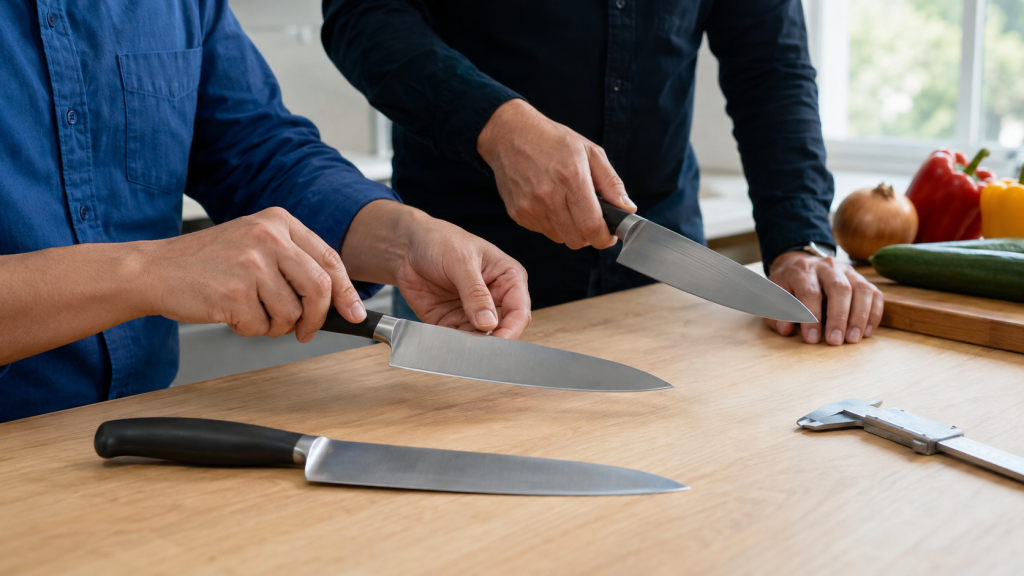
Handle ergonomics is not universal. Buyers should evaluate hand dimensions, grip style, handle geometry, balance, task, wet or gloved conditions, and duration of use together.
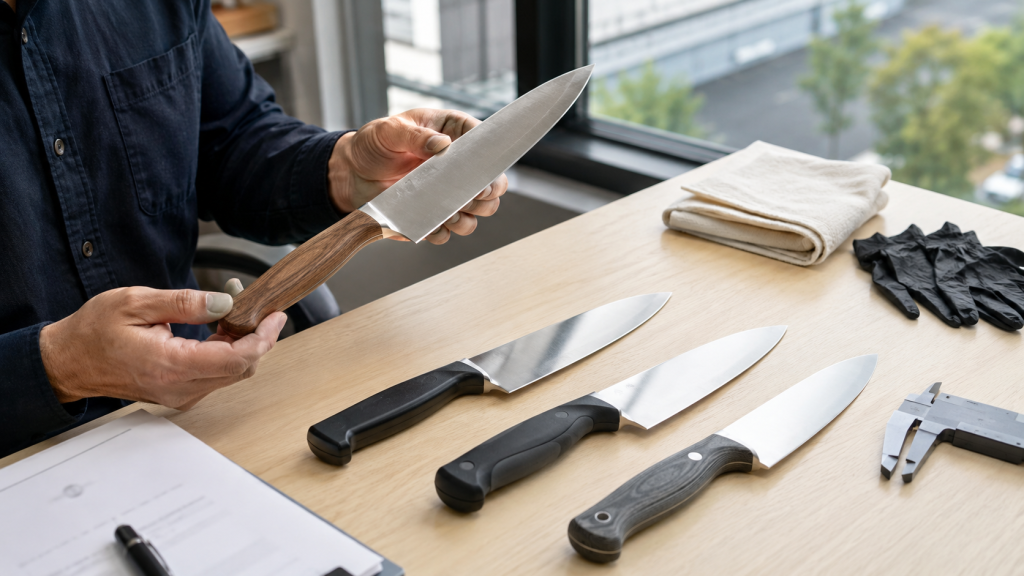
Wood, POM, PP, TPE/TPR, and G10 are material families rather than complete handle specifications. Suitability depends on the exact grade, finished construction, service environment, and market documentation.
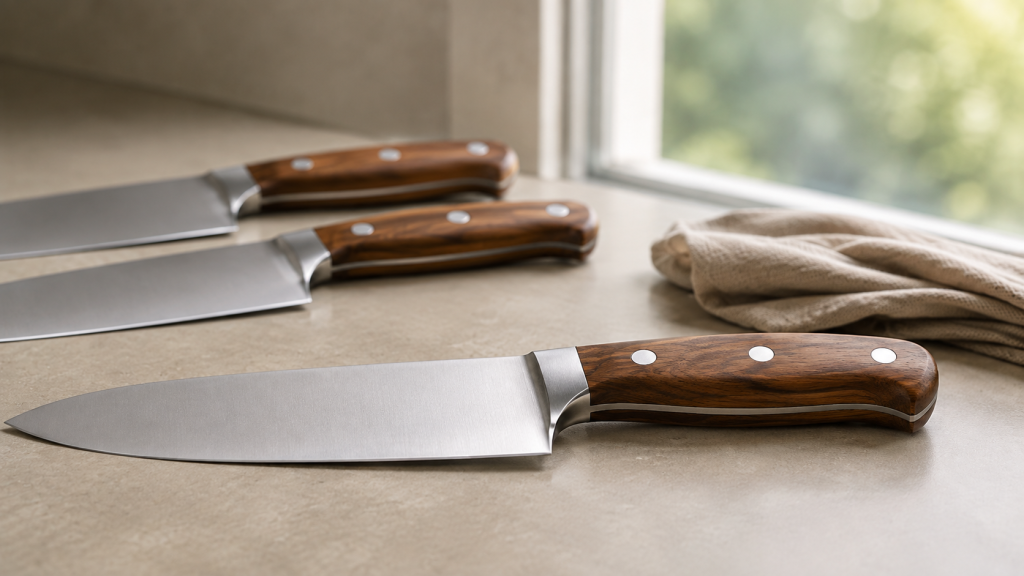
Wooden knife handles can shrink or swell as humidity changes, but no universal percentage predicts a finished knife. Buyers should evaluate grain direction, finish, construction, environment, and evidence before assigning a cause to a visible gap.
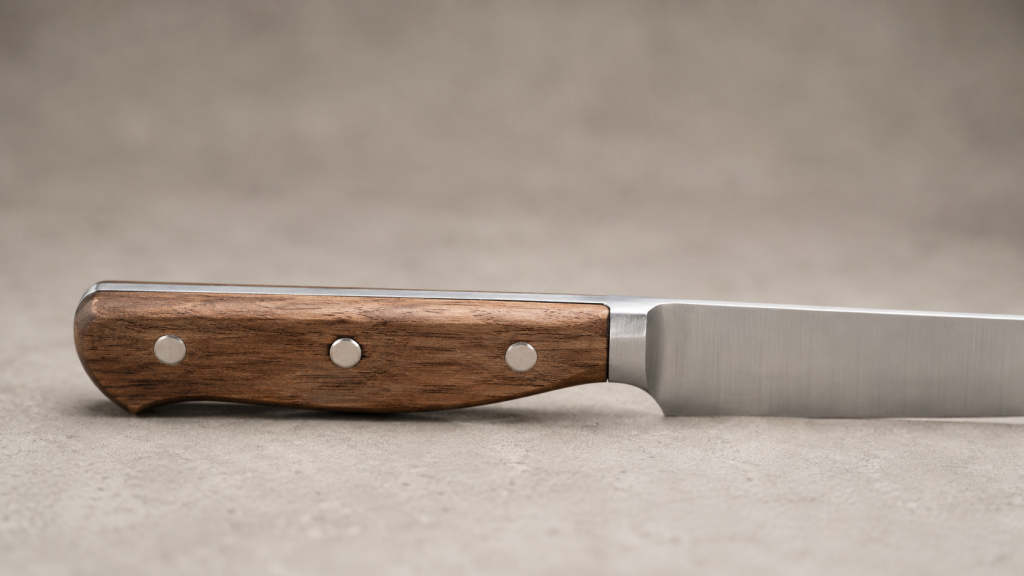
Wood moves as humidity changes. Learn what causes wooden knife handles to shrink, which warning signs matter, and how buyers and owners can reduce the risk.